The Fragility of the Façade: Moving Beyond Performance-Based Wellbeing
Wellbeing in the law has become a "performance" rather than a practice. Until we address the structural pressures of the billable hour and the culture of availability, superficial initiatives will continue to fail.
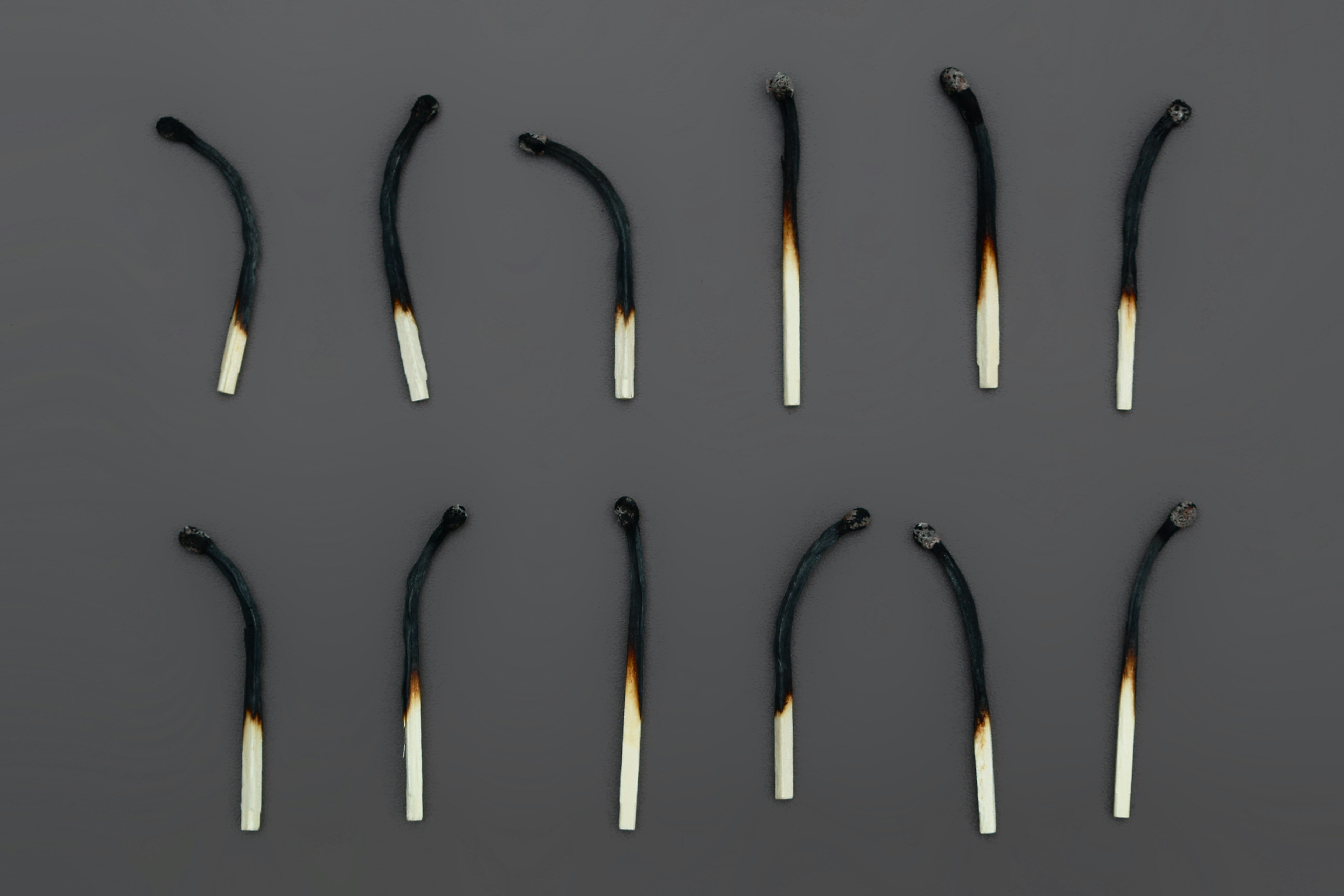
In the last decade, "wellbeing" has moved from the fringes of the legal profession to the heart of the HR agenda. We have seen the rise of mindfulness apps, yoga retreats, and "resilience training" modules designed to help practitioners cope with the pressures of the job. Yet, despite these initiatives, the rates of burnout, anxiety, and depression within the Australian bar and solicitor branch remain stubbornly high.
The reason for this failure is that we have treated wellbeing as a performance-based metric rather than a structural reality. We have focused on "fixing the lawyer" instead of "fixing the law." We tell our junior solicitors and barristers to be more resilient, as if the ability to endure an unsustainable workload is a virtue rather than a symptom of a broken system.
The Resilience Trap
The characterisation of "resilience" in the legal context is often deeply flawed. It is framed as an individual responsibility: a mental muscle that can be strengthened through practice. But when resilience is used to justify the normalisation of sixty-hour weeks, chronic sleep deprivation, and the abandonment of personal boundaries, it becomes a tool of exploitation.
True wellbeing cannot be achieved in an environment where the primary metric of value is the billable hour. The billable hour incentivises inefficiency and rewards the sacrifice of time. It creates a culture where "availability" is the ultimate sign of commitment. Until we move toward pricing models that value outcomes over increments of time, the structural pressure on the practitioner will remain unchanged.
The Cost of the "Always-On" Culture
The rise of the "sovereign practitioner" and the decentralised chambers offers a potential path forward, but only if we use these tools to create better boundaries. The digital tools that allow us to work from anywhere also allow work to follow us everywhere. The "Right to Disconnect" is a vital legislative start, but it requires a cultural shift to be effective.
We must move away from the "quiet" expectation that a lawyer should be available at all hours. This requires a professional conversation about the limits of advocacy. A lawyer who is perpetually exhausted is not an effective advocate: they are a liability. Their judgement is impaired, their creativity is stifled, and their ability to provide the "sophisticated" advice our clients require is compromised.
Authentic Change
The greater emergence of digital communities provides an conundrum - one which exposes us to perpetual availability, but also an opportunity to redefine the social contract of the legal career. We have a chance to build communities that value sustainable excellence over performative endurance. This means having honest conversations about the reality of the work, the impact of trauma - particularly in areas like family and criminal law - and the necessity of professional support.
Wellbeing is not a box to be ticked: it is a prerequisite for a long and successful career. It is time for the profession to stop performing wellbeing and start practicing it. This requires the courage to challenge the structural foundations of our firms and chambers, and the wisdom to recognise that our greatest asset is not our time, but our minds.